What Detroit Teens Really Want
Behind their frustration, many young people are looking for guidance, belonging and opportunities to grow.
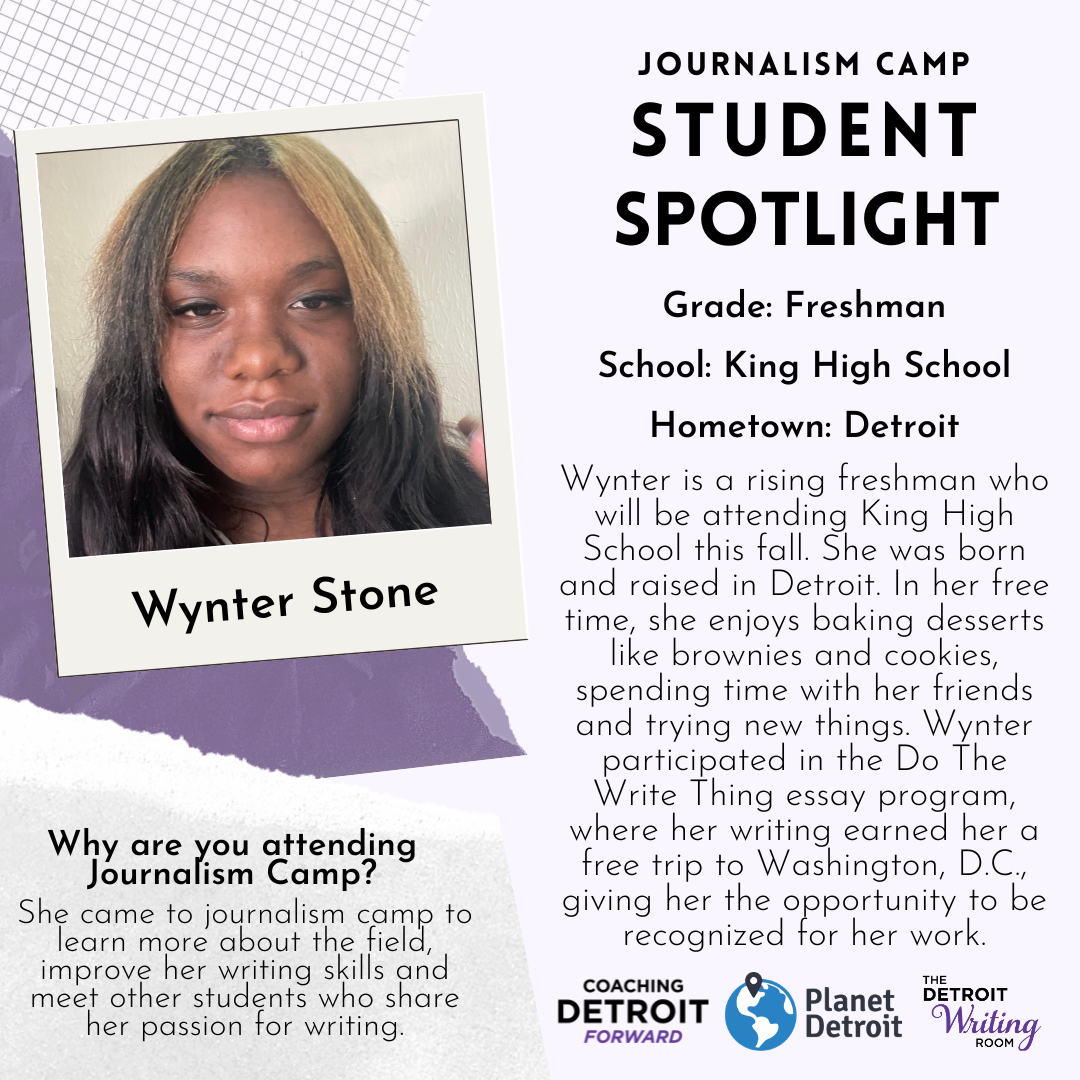
Story and Photography By Wynter Stone
It’s easy for people across Detroit to blame teenagers when they see reckless behavior or incidents involving young people. It’s much harder to ask whether Detroit has given them enough positive places to go, enough people who genuinely care or enough opportunities to become the best versions of themselves.
Too often, young people are expected to make the right choices without the support, guidance and opportunities they need to succeed.
After speaking with educators, youth advocates and teenagers themselves, one message became clear: Many Detroit teens aren’t asking for excuses — they’re asking to be heard.
Teen takeovers have become one of the most visible examples of the challenges facing Detroit’s youth. These large gatherings, often organized through social media, can sometimes lead to fights, vandalism, reckless driving or other disturbances.
According to a report by Channel 7 WXYZ-TV, over Memorial Day weekend, crowds gathered at Detroit’s Peterson Park, where multiple fights led to a heavy police response. While those incidents deserve attention, they have also overshadowed a much bigger conversation about what young people need every day.
For many young people in Detroit, growing up comes with challenges that are often overlooked. Some struggle with not having enough support, guidance or positive opportunities around them. Others feel like they are expected to make the right choices without always having the resources or people they need to help them succeed.
Many teenagers are searching for places where they feel accepted, adults who will listen and opportunities that allow them to discover their potential. When young people feel supported and valued, they are more likely to believe in themselves and build a future they can be proud of.
Those themes were echoed repeatedly by the teenagers, educators and youth advocates I interviewed this summer.
Listening to Detroit’s Youth
Kyla Clark, a 14-year-old Detroit teenager, believes many problems begin at home.
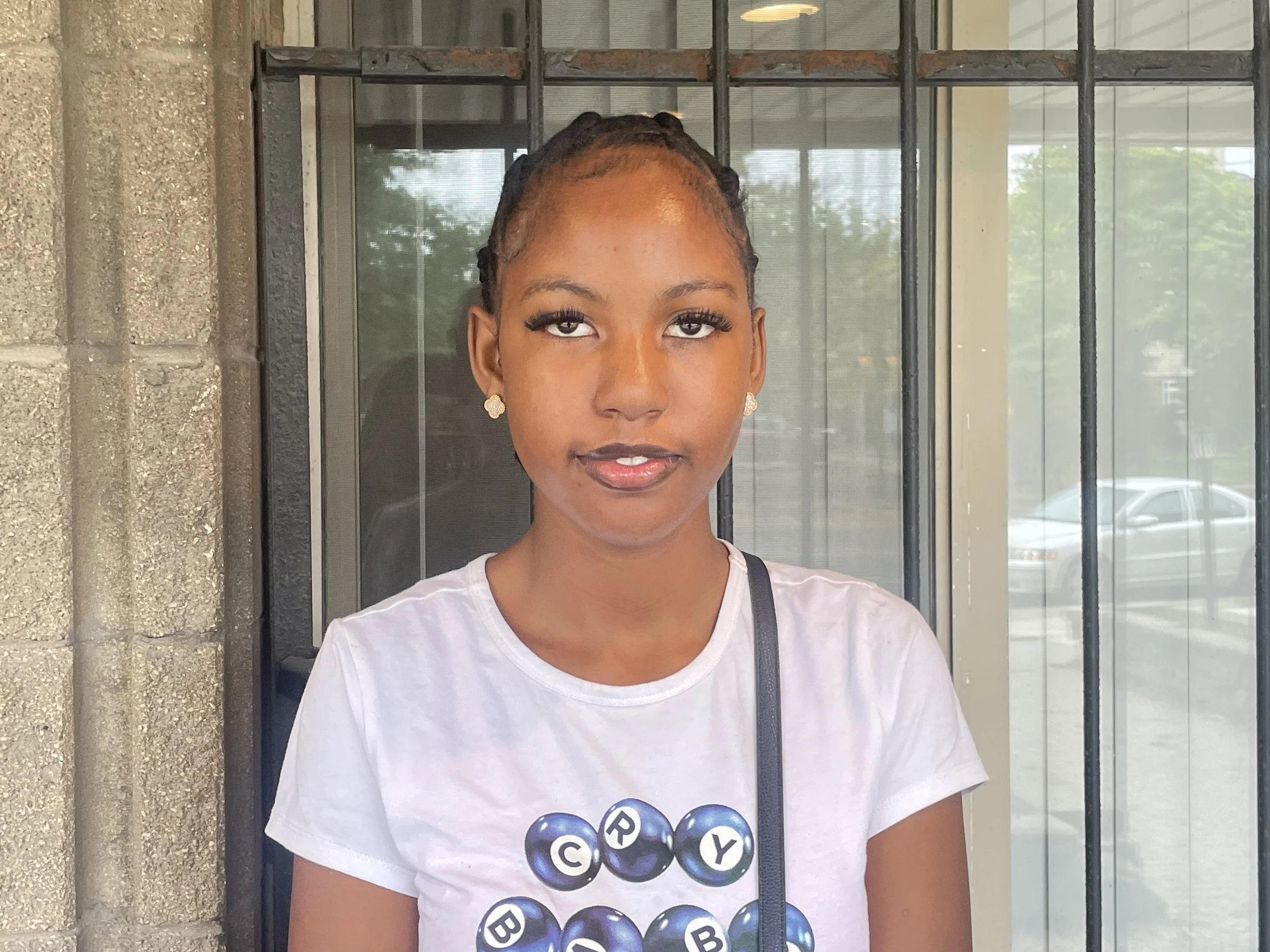
Kyla Clark is a Detroit teenager who offered a firsthand perspective on the needs of young people in her community. She believes listening to teens, creating more activities and building stronger support systems can make a lasting difference.
“I feel like it starts at home because some people don’t have good people around them. They just need someone who’s willing to listen,” she said.
Clark also believes young people need places where they feel safe and connected.
“Feeling safe at home or at school, being included in activities,” she said, “is just as important as preventing violence.”
“A lot of parents and adults don’t exactly encourage teens enough,” she added, “so it makes them feel like they’re not good enough.”
Clark’s perspective reflects a common theme throughout my reporting: Many teens aren’t asking adults to ignore bad behavior — they’re asking for encouragement, safe places to belong, and people who genuinely care about their future.
Lakeisha Wright, program coordinator at the Detroit Phoenix Center, believes every young person deserves the support needed to build a successful future.
“I feel every youth deserves support, encouragement and an opportunity to succeed,” she said.
Wright said exposure to violence plays a major role in shaping young people’s behavior.
“I think when they have exposure to violence, it’s because they either witness or experience violence at home or in their community,” she said.
She also explained that youth violence is often fueled by “trauma, exposure to violence, peer pressure, a lack of role models, unmet mental health needs and limited opportunities.”
Rather than focusing only on punishment, Wright said communities should invest in helping young people before problems escalate.
“Young people need us to invest in (their) futures through mentorships, better education, more resources and more opportunities,” Wright said.
Marcia Burroughs, a teacher at Thirkell Elementary-Middle School in Detroit, agreed that prevention starts long before a teenager makes a harmful decision.
“We have to make ourselves available to listen, guide them, give them some direction, and let them know about different programs that are out there,” Burroughs said.
Young people benefit when adults help connect them with positive activities and supportive environments, she added.
“Get them involved in sports, churches, family activities … building up the family, building up their future,” she said.
Her message echoed what many of the teens shared with me: When young people feel supported, encouraged and connected to their community, they are more likely to make positive choices.
Another Detroit teenager, who asked to remain anonymous to protect his privacy, shared a similar perspective.
“From parents not giving their kids enough attention, they turn to the streets,” he said.
He believes many young people simply go unnoticed. “I feel like teenagers are overlooked nowadays,” he said.
Instead of immediately judging teenagers after something goes wrong, he said adults should first listen.
“You sit and have a conversation with them,” he said. “Get to know how they feel.”
Listening to these conversations made me realize that many teenagers aren’t asking adults to ignore bad behavior. They’re asking adults to understand what they’re experiencing and to give them the support they need before problems grow bigger.
Accountability matters, but it should go hand in hand with guidance, encouragement and opportunity.

Cass Technical High School students Lauren Looney and Lawrence Fears III participate in Coaching Detroit Forward's summer photography camp. Programs like these give students creative outlets during the summer.
More Opportunities, Stronger Communities
Teenagers don’t just need rules — they need relationships. They need trusted adults, encouragement and somewhere to belong.
Just as importantly, they need more things to do.
Too many neighborhoods lack affordable recreational programs, community events, sports leagues, creative spaces or safe places where teens can spend time after school or during the summer. When there are few positive outlets, boredom and peer pressure, social media can easily fill that space.
Giving teenagers more opportunities to participate in activities, build friendships, learn new skills and simply enjoy being young can help prevent problems before they start.
That is why I believe the conversation has to change.
Too often, adults focus only on what teenagers are doing wrong instead of asking what they can do to help. If we expect young people to make better choices, we also have to give them better choices to make.
Investing in youth programs, recreation centers, mentorship opportunities, summer jobs and community events gives teenagers places where they can grow, connect and feel like they belong.
This doesn’t excuse the dangerous behavior that sometimes happens during teen takeovers or other gatherings. People should be held accountable for their actions, and communities deserve to feel safe. But accountability should exist alongside opportunity.
Punishment alone cannot solve problems that have been building for years.
Looking Ahead
The teenagers I interviewed weren’t asking for special treatment.
They were asking for what every young person deserves: adults who will listen, safe places where they can belong, encouragement to believe in themselves and opportunities to spend their time in positive ways.
Their voices made one thing clear — many teens aren’t looking for trouble; they’re looking for connection.
Detroit’s future won’t be shaped only by how we respond when teenagers make mistakes. It will be shaped by whether we choose to invest in them before those mistakes happen.
By listening to young people, creating more spaces designed for them, and giving them meaningful opportunities to learn, work, create and have fun, we can build a community where more teenagers feel supported instead of overlooked.
Maybe the most important question isn’t, “What’s wrong with our teens?” It’s, “What do they need?” The answer to that question could help shape Detroit’s future.
This piece is part of the Detroit Journalism Summer Camp, run by The Detroit Writing Room in partnership with Planet Detroit and Coaching Detroit Forward.