
What Happens When Food Is Part of the Sentence?
Formerly incarcerated Detroiters and food professionals examine how nutrition, food access and education intersect with health, rehabilitation and reentry.
By Nia Stewart
For former Detroit Mayor Kwame Kilpatrick, incarceration changed the way he understood food.
Before prison, he said he did not think about nutrition. He ate what he wanted without considering the long-term effects on his health. In prison, however, regular meals, structure and exercise changed his perspective.
“I think incarceration changed the way I looked at nutrition and health,” Kilpatrick said.
His experience raises a broader question. Is providing food enough, or should correctional facilities also teach people how nutrition affects their health and future?
At the end of 2024, Michigan had 32,778 people incarcerated in its state prison system, according to the Michigan Department of Corrections. The state also reported a 21 percent recidivism rate, a record low, making rehabilitation and successful reentry an important public policy issue.
More Than a Meal
Michigan Department of Corrections policy requires incarcerated people to receive at least three meals during each 24-hour period, with hot food offered at least twice daily. The policy also requires meals to meet nutritional and caloric recommendations based on the Dietary Reference Intakes and requires menu planning to follow the federal Dietary Guidelines for Americans.
Kilpatrick described prison meals as predictable.
“For breakfast, you would usually have things like grits, eggs and toast,” he said. “Lunch was often something like burgers and fries, and the meals followed a pretty regular schedule.”
“I don’t believe the issue is simply whether the food provided is quality food or not,” Kilpatrick said. “In my experience, there were a multitude of options available, but ultimately, a person’s mindset determines the choices they make.”
Still, he acknowledged that personal choice is only part of the equation.
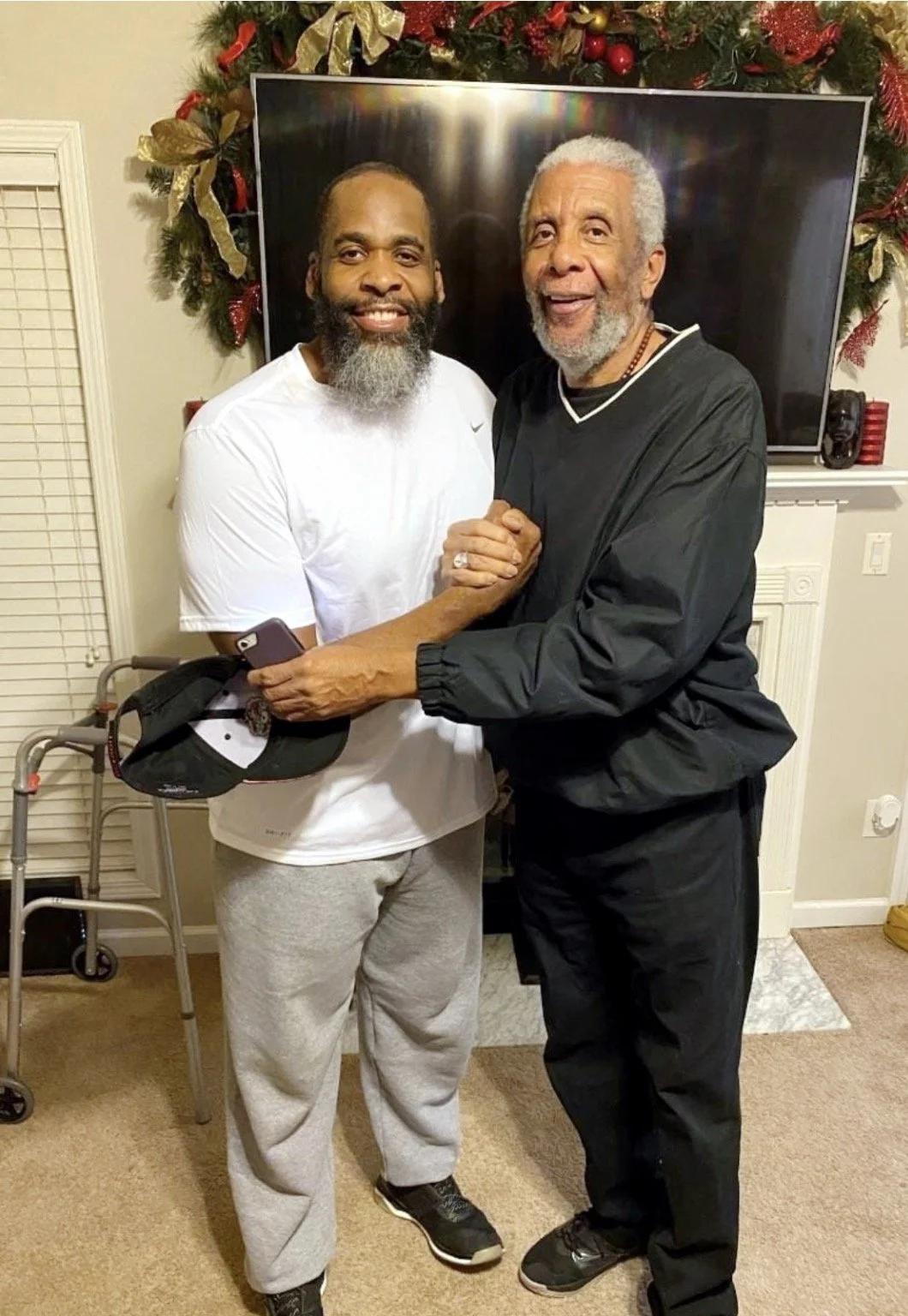
Recently released from prison, Kwame Kilpatrick visits with family as he embraces a new chapter focused on health and well-being. Courtesy Kwame Kilpatrick
“When I came home, I gained some of that weight back because I was consuming more of the food available in my neighborhood,” Kilpatrick said.
Kilpatrick was convicted of fraud, extortion and tax crimes and served more than seven years of a 28-year sentence before his sentence was commuted by President Donald Trump in 2021.
Kilpatrick said he believes affordability and access often present greater barriers than knowledge alone.
Transportation, grocery prices and household income all influence whether people can consistently afford healthy food.
According to the U.S. Department of Agriculture, 13.7% of U.S. households experienced food insecurity in 2024, affecting 18.3 million households. Food insecurity was even more common among households living below the federal poverty line from 2023 to 2024.
From Incarceration to Entrepreneurship
For a Detroit restaurateur Daquan "Dink Dawson" Sistrunk, known as Chef Dink, food became more than a daily necessity. It became a second chance.
After experiencing incarceration, he met Chef Jimmy Hill who runs the Food Technology Program at Lakeland Correctional Facility. After an interview with Hill, Sistrunk was accepted into the program, where he developed the skills that helped launch a career as a chef and entrepreneur.
“My culinary education provided professional cooking techniques, food safety training and business skills that opened doors after my release,” said Sistrunk, who served seven years in state prison on a drug conviction.
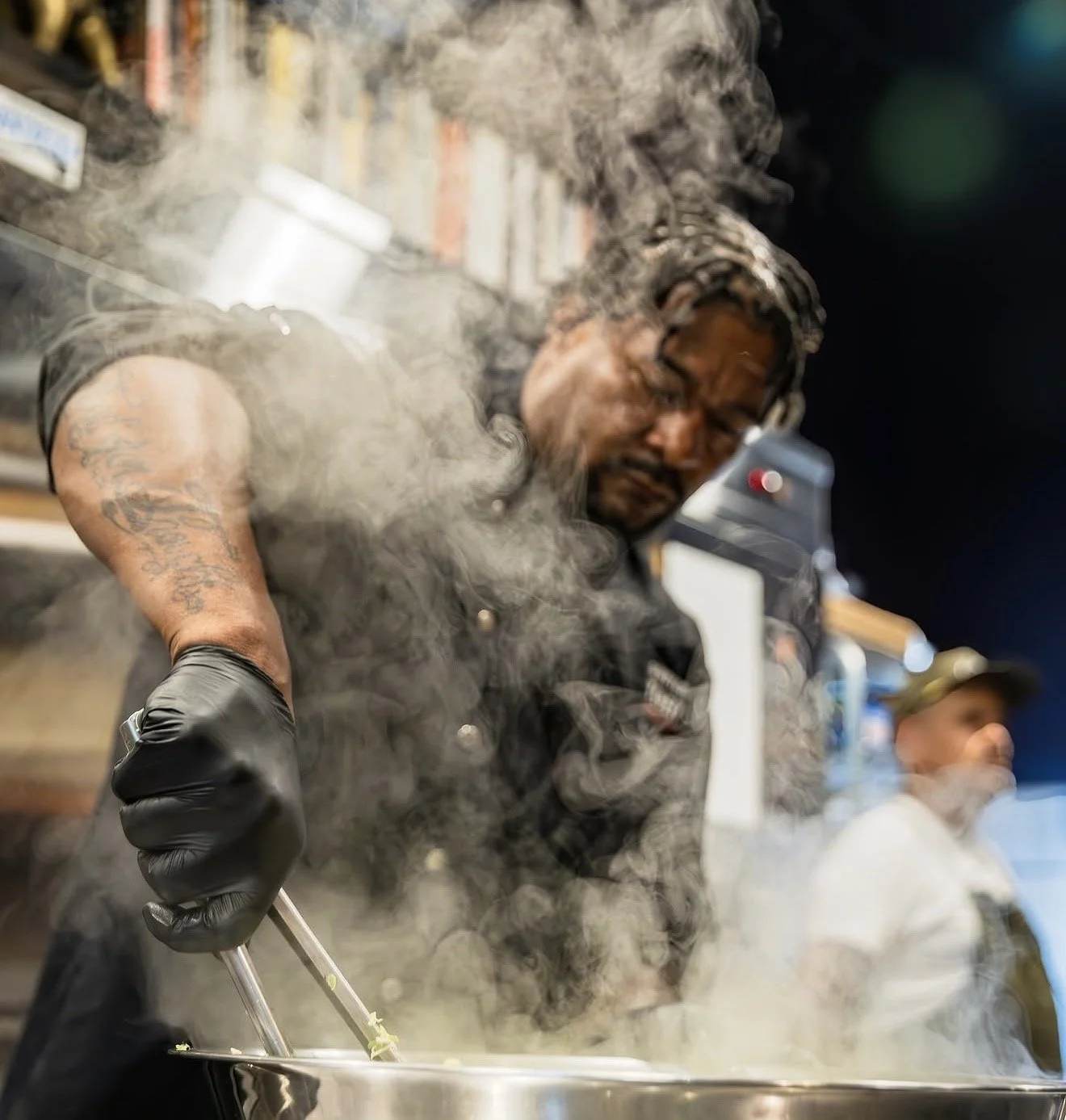
Chef Sistrunk prepares a gourmet dish at his restaurant The Green Mile Grille. Courtesy Chef Sistrunk
Today, Sistrunk serves the same community he returned to. He not only feeds people but also creates opportunity. His journey demonstrates how culinary education can become a pathway to employment, entrepreneurship and economic independence.
Sistrunk owns and operates The Green Mile Grille on Detroit’s east side, which he developed while serving time.
Sistrunk developed business techniques specifically focused on food production, plating preparation and inventory management. Rather than taking out massive business loans or scaling high, Sistrunk began his entrepreneurship journey small and developed slowly over the years.
He initially launched his products with close neighbors. However, with time, he expanded his footprint by introducing The Green Mile Grille Food Truck, and driving around Detroit.
Sistrunk’s success grew, as he was able to launch a permanent restaurant on Gratiot Avenue.
His experience highlights an important distinction. Receiving meals during incarceration is different from learning skills that can help build a career after release.
Food as Rehabilitation
Rehabilitation is often discussed through education, counseling and job training. Food is less commonly part of that conversation.
Kilpatrick believes it should be.
“The goal shouldn’t be to force people to change their habits, but to educate and inspire them to make healthier choices for themselves and their communities,” he said.
Kilpatrick said he believes correctional facilities could expand nutrition education, agricultural programs and culinary training, allowing incarcerated people to learn about food production, preparation, health and potential careers while serving their sentences.
He also remembered prison dairy farms that supplied products such as chocolate milk.
“I think those resources could be used in a much bigger way,” Kilpatrick said. “Instead of just having a dairy farm, why not use it as an opportunity to teach people agriculture skills, how food is produced and how to make healthier choices?”
Correctional farms and kitchens could become places where incarcerated people learn practical skills that support healthier lifestyles and future employment, he added.
Reentry programs could also connect returning citizens with food assistance, nutrition education and employment resources after release, Kilpatrick said.
“When I first got out, I received about $600 a month for food and housing, and that played a big role in allowing me to provide for my family,” Kilpatrick said.
While some incarcerated people describe structured meals and opportunities to improve their health, others have raised concerns about food quality and consistency in correctional facilities. Those differing experiences illustrate the complexity of prison nutrition and the challenges correctional systems face in balancing costs, health and rehabilitation.
Changing the Conversation
The problem extends beyond whether incarcerated people receive enough food. It is also about whether that food supports their long-term health.
In a blog post for the Center for Science in the Public Interest, Radee Hammett pointed to a broader nutritional failure in correctional facilities. She wrote that “the typical prison diet is high in salt, sugar, and refined carbohydrates,” which can contribute to higher rates of diabetes and heart disease. Hammett, who founded a nonprofit that helps people transitioning back into society, argued that “there is no consideration for what should or should not be given to incarcerated people.”
This raises a larger question: If incarceration is supposed to prepare people for reentry, why is nutrition treated as an afterthought?
The Centers for Disease Control and Prevention reports that only 1 in 10 adults in the United States meet recommendations for fruit and vegetable intake, showing that maintaining healthy habits can be difficult even outside correctional settings.
Yet Kilpatrick said younger generations are helping shift attitudes about health and wellness.
“Seeing young Black girls talk about health and wellness gives me hope,” he said. “Seeing young people invest in their wellness and advocate for healthier lifestyles shows how far we’ve come.”
Food is more than a meal. It can be education, employment, entrepreneurship, rehabilitation and health.
The experiences of Kilpatrick and Chef Dink suggest that food can shape a person’s life before incarceration, during incarceration and after release. The question is not simply whether people are being fed. It is whether food systems are helping prepare people to build healthier lives and stronger futures.
A meal can satisfy hunger.
Education, access and opportunity can help people rebuild their lives.
Editor’s Note: Nia Stewart is a cousin of Kwame Kilpatrick.