
Detroit’s Teen Takeovers: How a Viral Trend Changed Summer for Teens and the City
Many teenagers say the teen takeover conversation shouldn’t only focus on crime and curfews, but also why so many young people are searching for places to belong.
By Kerrington Dean
Photography by Nasir Johnson
It starts with a single post. A brightly colored flyer appears on Instagram. In minutes, it has been shared to countless stories, group chats and text messages. The flyer has a time and location, inviting teens from across Metro Detroit to gather in one place.
By the time the night comes, what began as a social media post has turned into a violent crowd of hundreds.
Known as “teen takeovers,” these gatherings became one of Detroit’s most talked about topics over the summer. While many young people attend hoping to spend time with friends, several events have ended in fights, vandalism, shootings and arrests. As videos spread online, so have concerns from parents, business owners and city officials surrounded by these “parties.”
But beyond the headlines and police reports lies another conversation, one about how these events affect teenagers who never intended to cause problems in the first place.
Teen takeovers are large gatherings organized primarily through social media. The events often take place in public spaces such as Campus Martius, neighborhood parks and other downtown locations. While many gatherings remain peaceful, others have escalated into violence, prompting increased police response and new safety measures.
Following several incidents this year, Detroit Mayor Mary Sheffield introduced a 6-point summer safety plan that included stronger curfew enforcement, youth engagement initiatives, education about gun violence and increased police presence at major events.
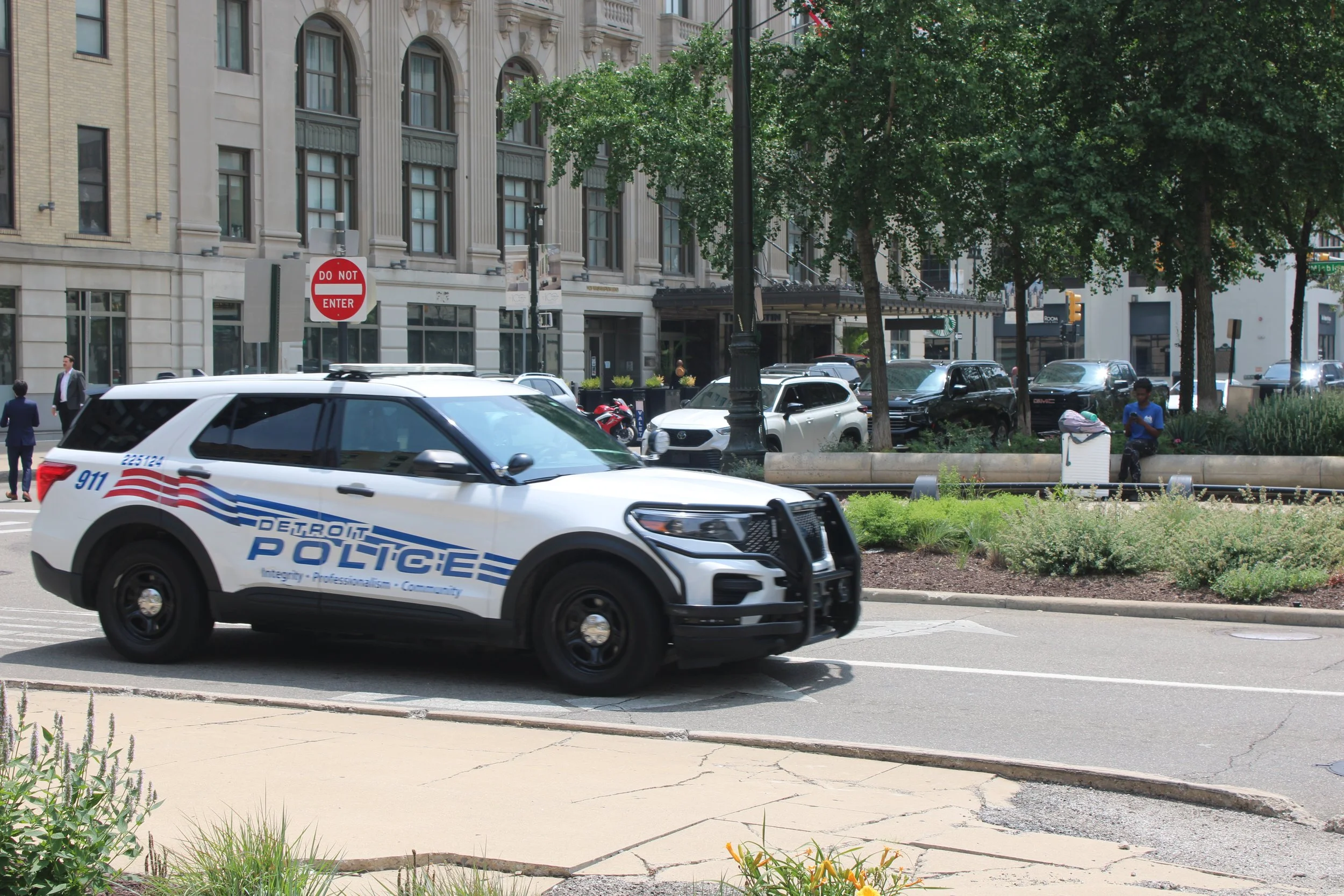
Downtown Detroit has become a frequent meeting place for large teen gatherings, prompting increased police presence and community discussion.
Officials say the goal is to prevent violence before it starts. However, many teenagers believe the issue is more complicated than simply enforcing curfews.
Rhylin Jackson, a 15-year-old Southfield resident, says many adults misunderstand why teenagers attend these events.
“I think a lot of people forget that most teenagers just want somewhere to hang out,” Jackson says. “Not everybody is going to these takeovers looking for trouble.”
Jackson believes the actions of a small group have unfairly shaped the way adults view teenagers. “Once something bad happens, everybody starts blaming all teens. It makes people assume we’re all irresponsible, and that’s not true.”
For many high school students, summer means looking for places to spend time with friends. Without organized activities every day, social media can quickly become the easiest way to find something to do.
London Thomas, a 17-year-old Southfield resident, says the impact of teen takeovers extends beyond those who actually attend them.
“The actions of a small group shouldn’t determine what the rest of us are allowed to do,” she says. “Now every time there’s an event, people assume teenagers are going to ruin it.”
Thomas says increased restrictions for teens have changed the experience of attending public events.
“I’m old enough to drive, have a job and make my own decisions, but now some places won’t even let me in without an adult because of what other people did,” she says.
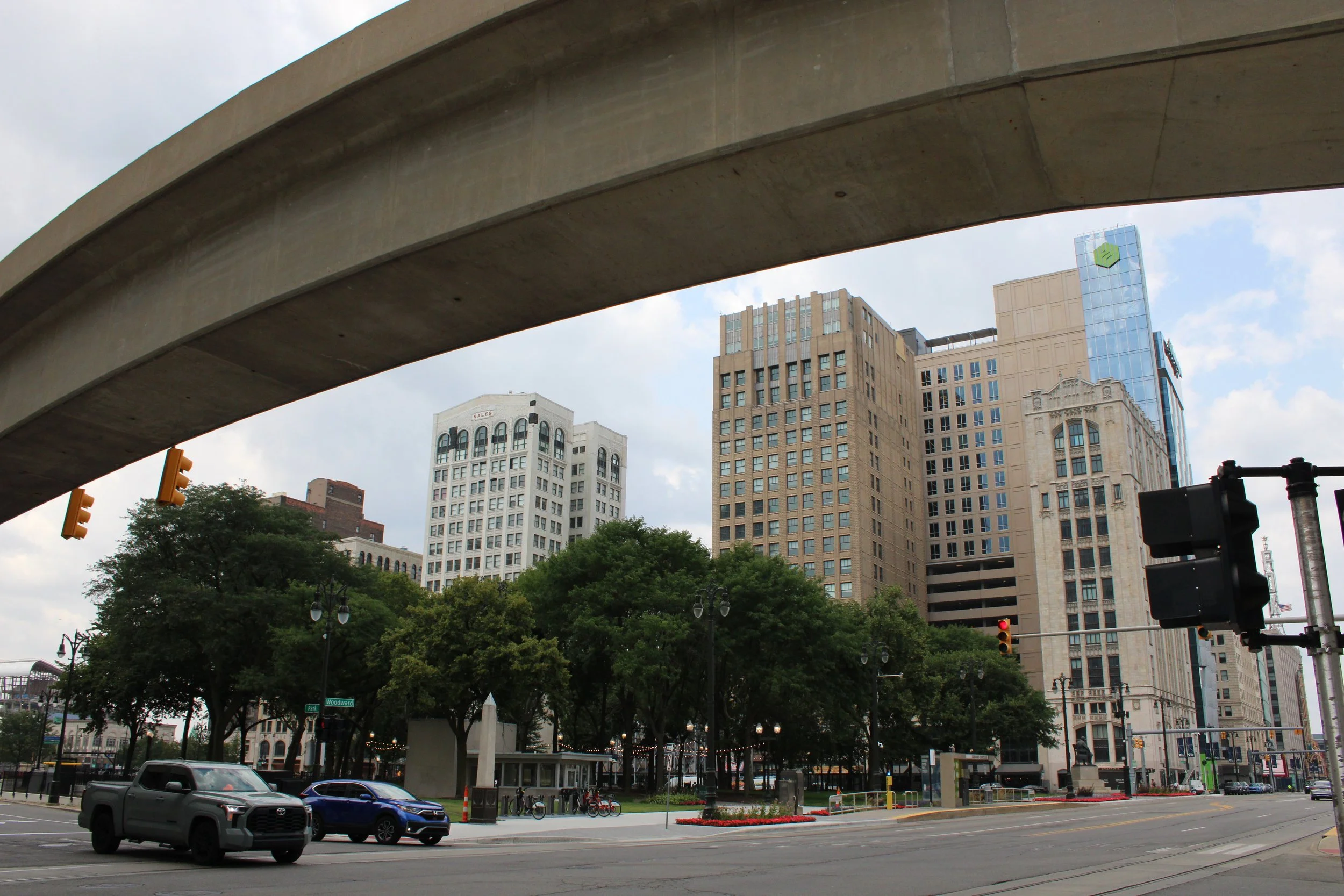
A view of Grand Circus Park in downtown Detroit in July 2026.
This summer, some community events increased security or placed stricter rules on minors. Many parents say they understand why those policies exist, while teenagers argue that responsible young people are being penalized for the actions by peers.
Not everyone believes there is an easy solution.
Detroit resident Brielle Clark, 17, says she understands why adults are worried after several gatherings became dangerous.
“I understand why police and parents are concerned because some of these gatherings have gotten dangerous,” she says. “At the same time, I don’t think treating every teenager like a suspect is the answer.”
Clark believes social media has changed how quickly these gatherings can grow.
“One post can bring hundreds of people together before adults even know what’s happening,” she says. “That’s how quickly things spread now.”
According to MLive, social media flyers advertising teen takeovers can spread to hundreds or even thousands of teenagers within hours, making it difficult for officials to prepare before large crowds arrive.
Kamoriyan Hill, a 16-year-old Harper Woods resident, believes teen takeovers reveal another problem that often goes unnoticed.
“People act like teenagers are just trying to cause problems, but honestly, most people are just bored during the summer and looking for something to do,” he says.
Hill adds communities should spend just as much time creating opportunities for teenagers as they do restricting them.
“When there aren’t enough places for teens to hang out, they’re going to make their own places. The problem isn’t that teenagers want to be together,” he says. ‘“It’s what happens when a huge crowd gets out of control.”
His comments echo what some youth advocates have said publicly. While enforcement may reduce violence, many believe communities should also invest in safe recreational spaces, youth programs and activities that give teenagers positive alternatives.
Residents living near takeover locations have expressed concerns about safety and the impact on downtown businesses. Some have spoken at public meetings asking for stronger enforcement, while city officials continue looking for ways to reduce violence without discouraging positive youth engagement.
For the students interviewed, the issue is not about choosing between safety and fun. They believe both should exist at the same time.
Jackson says teenagers should be held accountable for their actions, but she hopes adults remember the majority of young people simply want to enjoy their summer responsibly.
Thomas agrees: “At the end of the day, we all want the same thing which is literally just to have fun and make memories with our friends,” she says. “I just hope people remember that the actions of a few don’t represent an entire generation.”
As Detroit continues searching for solutions, teen takeovers remain a reminder of how quickly social media can bring people together and how quickly one incident can change public perception.
Whether the answer comes through stronger enforcement, expanded youth programs or a combination of both, one thing is clear: Many teenagers want to be part of the conversation, not simply the subject of it.
Finding that balance may determine not only the future of teen takeovers, but also how Detroit chooses to support its next generation.
This piece is part of the Detroit Journalism Summer Camp, run by The Detroit Writing Room in partnership with Planet Detroit and Coaching Detroit Forward.
About the Writer:
Kerrington Dean is a senior at Renaissance High School and proudly represents her hometown of Southfield, Michigan. She is passionate about journalism, dance and finding creative ways to connect with others through storytelling. As she prepares for the next chapter after high school, she plans to continue her education and pursue a career where she can make a meaningful impact while continuing to develop her passion for writing and communication.